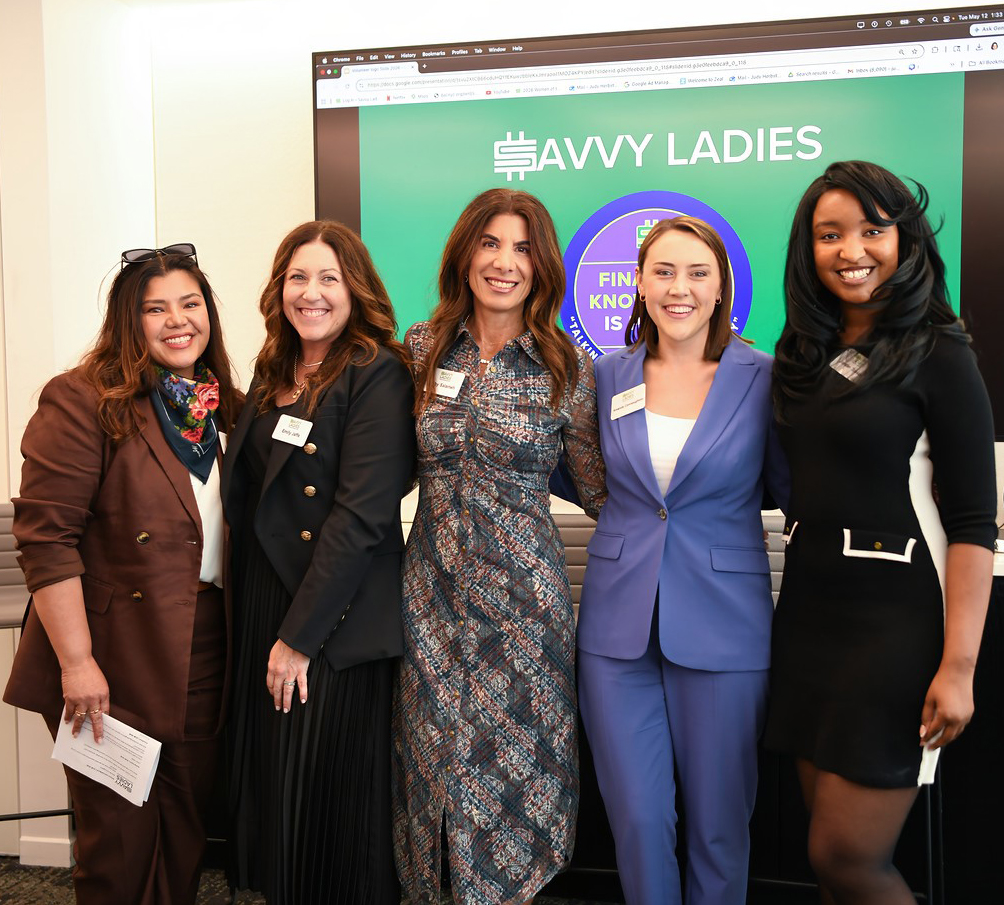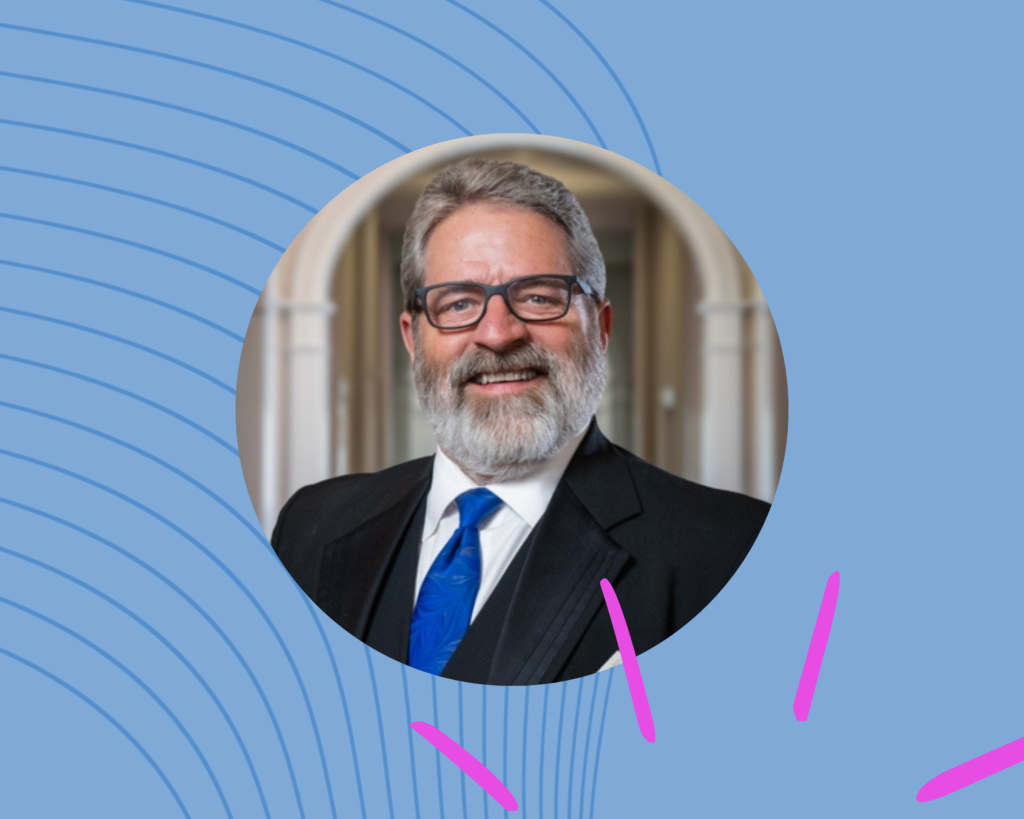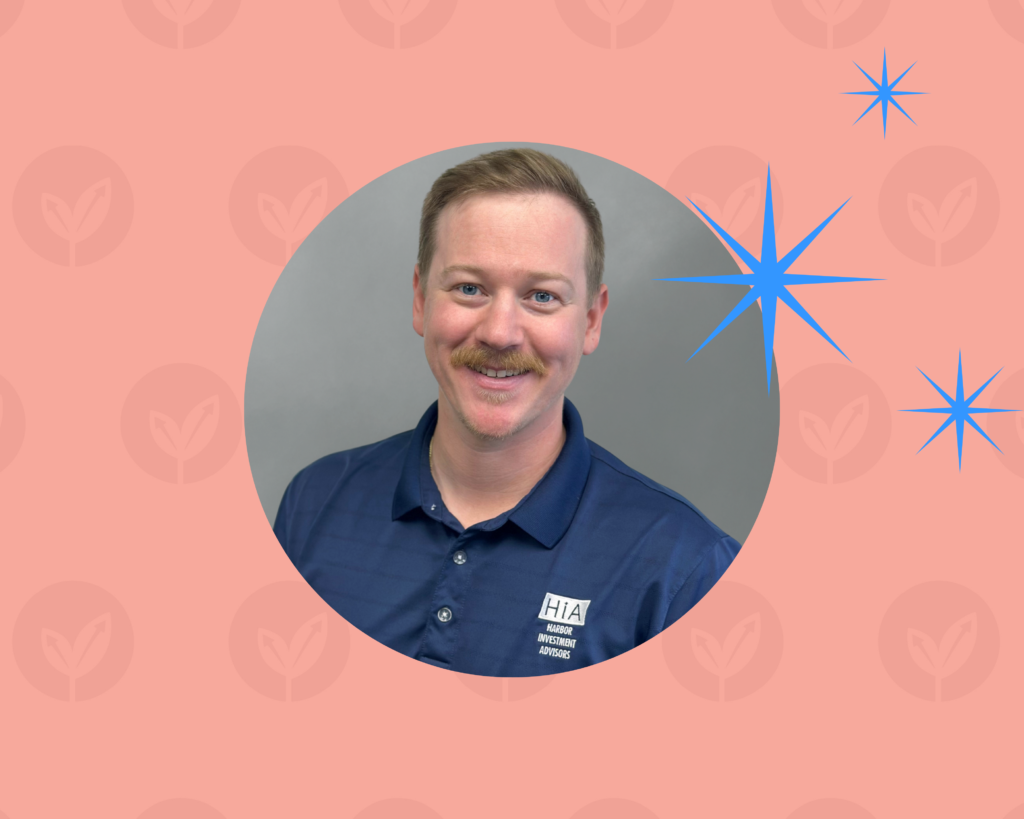
The second annual Savvy Ladies Volunteer Summit on May 12, 2026, in New York City, brought together current and prospective Helpline volunteers for an afternoon of thoughtful discussions, shared best practices, and insights from the Helpline.
The Savvy Ladies Volunteer Community Savvy Ladies volunteers are CFPs™, CPAs, ChFCs, CLUs, EAs, CSLP®s, CDFA®’s, MSFSs, and MBAs (with a financial planning concentration) who are committed to empowering women through trusted, unbiased guidance. Through the Savvy Ladies Free Financial Helpline, they provide pro bono support to clients, answering financial questions via phone, email, or video call.

Invest in Others was a proud sponsor of the organization’s “Volunteer of the Year” award and was thrilled to have board member Abby Salameh, Managing Director, Mercer Advisors, as part of the first panel, Purpose, Trust, and Confidence: How Advisors Can Build Credibility by Leveraging Volunteering, exploring how pro bono work not only strengthens communities, but also deepens trust and authenticity in advisor-client relationships.
Watch the full event video
Key Takeaways from the Purpose, Trust, and Confidence: How Advisors Can Build Credibility by Leveraging Volunteering panel
A central theme throughout the conversation was that trust in advisor-client relationships is built less through technical expertise alone and more through human connection, consistency, and active listening. Panelists emphasized that clients, particularly women seeking financial guidance, often arrive feeling uncertain, overwhelmed, or even self-critical. In these moments, the advisor’s role begins not with advice, but with creating psychological safety: a nonjudgmental space where clients feel heard, validated, and respected. Listening deeply, acknowledging lived experiences, and meeting clients where they are were repeatedly highlighted as foundational to building credibility and unlocking meaningful progress.
Volunteering and pro bono service emerged as a powerful catalyst for strengthening these relational skills. Advisors shared that engaging in volunteer work sharpens their ability to communicate complex ideas clearly, navigate emotionally charged conversations, and build confidence through repetition in real-world scenarios. This type of service also expands exposure to diverse life experiences and financial challenges, which in turn deepens empathy and adaptability in client work. Far from being separate from professional practice, pro bono engagement was described as an accelerator of professional development, enhancing both technical competency and emotional intelligence.
Another key insight was that volunteering reinforces authenticity, which is increasingly essential in earning trust. Advisors noted that “walking the walk” through service creates a level of credibility that cannot be manufactured. Clients and communities can sense when commitment is genuine, and volunteer work provides tangible evidence of purpose beyond profit. This authenticity not only strengthens external relationships but also influences internal culture within firms, helping attract and retain professionals, especially younger advisors and women, who are seeking purpose-driven environments.
The panel also underscored that trust-building is not a one-time interaction, but an ongoing process rooted in consistency and follow-through. Whether through repeat conversations, small incremental wins, or continued engagement over time, advisors help clients build momentum toward financial confidence. Celebrating progress, no matter how small, was highlighted as an important strategy for shifting clients out of fear and into sustained action.
Finally, the discussion reinforced that purpose-driven advising and volunteering are not separate from business success, they actively contribute to it. Firms that embed service into their culture are better positioned to develop well-rounded advisors, strengthen leadership pipelines, and differentiate themselves in a competitive industry. Across all perspectives, the takeaway was clear: volunteering is not just community support, it is a strategic and human-centered practice that deepens trust, strengthens advisory skills, and ultimately transforms both clients and advisors alike.